

Blog / Service

Contact Rob Green Hyundai to Schedule Spring Maintenance Services

Warm weather in Pocatello is coming, and you may be wondering what services to schedule for your vehicle before heading out for a summer road trip. The transition from cold winter weather to warm summer weather can put stress on your car. The best way to prevent the damaging effects of changes in the temperature is to schedule a maintenance service during the spring. Here are a few popular spring services for your vehicle.

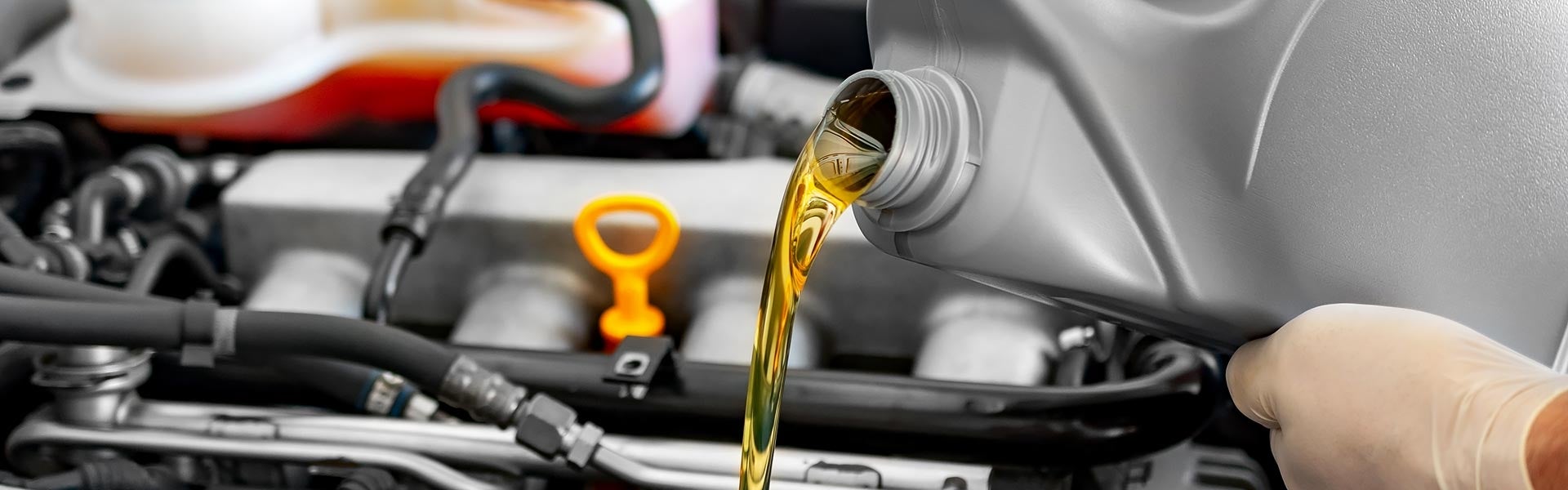
Oil Change

An oil change is one of the most come springtime services we provide drivers in Boise. An oil change is a great way to prepare your vehicle for warm weather driving. Our technicians will replace your old oil with new oil to keep the engine lubricated and prevent friction from damaging the engine. They can also replace your old oil filter with a new one to keep dirt and debris from contaminating the oil and reducing your engine’s performance.

Tire Service

If you have winter tires, you should switch to all-season tires since winter tires. Winter tires are designed for cold temperatures and will wear down quickly once the weather in Nampa gets warmer. If you already have all-season tires, then a tire rotation will ensure the tread on the tires will wear down evenly. Tire services should also include alignment and balancing. Plus, our technicians will inspect your tires for cracks and bulges.

Cooling System Inspection

It is good to have your cooling system inspected and cleaned to ensure it works properly before the summer heat in Twin Falls arrives. We can replace your old air filter with a new one. We can also check if you have the right amount of coolant to prevent your engine and other systems from overheating.

The change in seasons is the best time to get maintenance services for your vehicle. Contact Rob Green Hyundai to schedule an appointment today.

Posted in:

Related Posts

How to Jump a Car

Need to know how jump a car? Following this guide to get you back on the road! Step 1: Check Important Factors Before you even begin to consider the idea of trying to jump a car, there are specific factors you need to take into account. Make sure to check whether it's safe to try and jump a car under your specific circumstances. This includes ensuring that the battery isn't leaking or damaged, and also making sure that you're not standing in water or in an unsafe environment to conduct electricity. Step 2: Ready The Cars Next, both vehicles should be readied for the process. They should be positioned so the jumper cables can reach, but otherwise turned off completely. Park them nose to nose or side-by-side depending on your cable length. Also, double-check both cars have their parking brakes engaged for safety. Step 3: Identify the Batteries and Terminals Before starting the jumping process, every car driver needs to identify the negative and positive terminals on both car batteries - usually marked with a plus and minus sign respectively. Remember, connecting the wrong terminals can lead to severe damage so always double-check before proceeding. Step 4: Connect the Jumper Cables Firstly, connect one end of the red/yellow positive (+) jumper cable to the positive terminal of the battery in the dead car. The other end of the positive cable then goes to the good battery's positive terminal in the functioning vehicle. Next, link one end of the black negative (-) jumper cable to the good battery's negative terminal. Step 5: Ground the Last Clamp The grounding process involves fastening the other end of the black negative cable to a non-painted, metallic part of the dead car's engine. This grounded spot could be a clean bolt or bracket that's away from movable parts and the battery. Step 6: Start the Jump-Start Process At this point, you can start the functioning vehicle and let it idle for a few minutes. This running of the functional car may charge the dead battery enough to allow it to restart. Step 7: Start the Dead Car After waiting for a little while, start the car with the dead battery. If the car doesn’t start, wait for another few minutes and try again. If the car continues to fail to start, there may be a more significant issue at play rather than a dead battery. Step 8: Safely Disconnecting the Cables Once the dead car is running again, you can disconnect the jumper cables, starting with the black negative cables, followed by the positive. Remember to let your car run for a bit to ensure it doesn’t die once again immediately. While jump-starting a car by yourself isn't complicated, if you're feeling unsure at any point during the process, having a professional handle it is normally the safer choice. If you run into issues while attempting to jump a car, please do not hesitate to contact us today or to schedule a service appointment for a comprehensive checkup. Notably, our knowledgeable mechanics at Rob Green Hyundai are equipped to help you safely resolve your vehicle start-up issue.

oil change

Book A Time for Hyundai Oil Change Service

Fundamentals count when it comes to changing the oil in a Hyundai. Whether you own an Accent, Elantra, Sante Fe, or another vehicle produced by this manufacturer, taking care of the vehicle should be a top priority. At Rob Green Hyundai, we want to help Hyundai owners maintain their cars and SUVs by following the basic step of keeping the oil fresh. Fresh Motor Oil and Its Value Adding fresh motor oil to the vehicle on time helps ensure the engine's parts remain lubricated. As the miles add up, the oil becomes dirty and loses viscosity. Wear and tear on the engine may occur when dirty motor oil runs through its components. Also, fuel efficiency may suffer, and engine performance could drag. Keeping tabs on the due date for an oil change helps an owner take care of business on time. Other Oil Change Appointment Services Changing the oil filter is another step a technician could take. The oil filter helps keep contaminants out of the engine and switching the old filter out can maximize the job. If old oil circulates through the engine for too long, a sludge buildup could occur. That may create a serious problem, but an engine cleaning could fix things. Twin Falls Hyundai owners could use the oil change appointment to clean the fuel system and take other maintenance steps. Requesting a basic multi-point inspection could be a good idea because the inspection may reveal things that require attention. Choosing the Right Motor Oil Sometimes, it could be best to use special oil in a Hyundai based on particular circumstances. For example, oil selections might be preferable for weather conditions. Switching to something appropriate for the upcoming season might be a good idea. High mileage engine oil could be good for those vehicles with many numbers on the odometer. Schedule your oil change appointment at our dealership online today. Catch up on service right

How To Reset Your Tire Pressure Indicator

As a renowned Hyundai dealer near you that Twin Falls, Idaho residents can count on, Rob Green Hyundai offers more than just stellar automobile sales services. We're also here to give essential tips and guidance for your vehicle's maintenance and best possible performance. Among the vital car signals you should never ignore is the tire pressure indicator. But what does it mean, and how should you approach it when it lights up on your dashboard? And do you need to schedule a service appointment or is this something you can fix yourself? Let's dive right in. The Importance of Tire Pressure Monitoring Your Hyundai's tire pressure monitoring system (TPMS) comprises sensors that monitor each tire. When the pressure in one or more tires drops 25% below the recommended pressure, the TPMS illuminates the "check tire pressure" or "low tire pressure" indicator (a symbol of an exclamation mark-inside parenthesis). This system is not just a fancy feature but a critical safety one. Correct tire pressure is essential for your Hyundai's optimum performance, fuel economy, tire longevity, and above all, your safety on the road. Hence, anytime the tire pressure indicator comes on, it's a sign that something needs attention. How to Reset Your Hyundai's Tire Pressure Light Before rushing to reset your tire pressure light, you need to address the root concern – your tire pressure. Obtain a reliable tire pressure gauge and inspect each tire. Refer to your Hyundai's manual for the manufacturer-recommended tire pressure, then inflate or deflate your tires as necessary. If rectifying your tire pressure doesn’t turn off the indicator, or if the TPMS light is flashing, schedule a service appointment with us right away. Our expert team will inspect, identify, and resolve any existing issue. DIY Tire Pressure Light Reset Procedure Once the pressure in each tire is correct, the tire pressure indicator light should go off. However, suppose your Hyundai model is slightly older. In that case, the TPMS might not automatically reset, and you may need to perform a manual reset or "relearn" procedure: Turn the ignition to 'ON', but don’t start the engine. Press the TPMS reset button and hold until the TPMS light blinks three times, then release. Start the car and let it run for about 20 minutes. After this procedure, the light should go off. If it remains on, you might have a faulty sensor, an embedded nail or sharp object on a tire, or possibly a more serious issue. When to Seek Professional Assistance While it's great to be hands-on with your Hyundai's maintenance, it's also wise to know when to involve the experts. Tire pressure issues might be more complicated than they initially seem. A persistently lit or flashing TPMS light might be a sign of a deeper problem ingrained in your Hyundai's mechanical or electrical systems. In such cases, it's advisable to contact us today for an expert inspection. We're dedicated to ensuring your satisfaction and safety on the road. We are always happy to help answer questions or concerns you may have!